
Last Updated: October 27, 2026
Quick Summary
To honor indigenous history, start by learning whose land you live on and reading books by Native authors from specific nations. Practice land acknowledgments with named actions and dates, support tribal-led organizations near you, and buy directly from Indigenous creators who name their nation.
- Identify the tribal nations tied to your county and read their own official websites.
- Read one book by a Native author each season to build a real foundation.
- Keep land acknowledgments under 60 seconds and pair them with a dated action.
- Before donating, check that an organization names the nations it serves.
- Buy from artists who name their nation and sell through their own channels.
Table of Contents
- 1. Learn the History of the Land You Live On
- 2. Read Books and Stories by Native Authors
- 3. Practice a Land Acknowledgment With Follow-Through
- 4. Find Practical Ways to Support Indigenous Communities
- 5. Buy Art, Apparel, and Goods From Indigenous Creators
- 6. Visit Museums, Historic Sites, and Tribal Cultural Centers
- 7. Learn How to Honor Native Americans at Thanksgiving and Year-Round
- Wear the History: Choosing Apparel That Respects Original Place Names
- Frequently Asked Questions
1. Learn the History of the Land You Live On
To honor indigenous history, start with knowing whose land you're standing on. Every address in the country sits on territory that belonged to specific Native nations long before any deed was filed, and that history is often one search away.
At Correct Geography, we sell t-shirts with their original names, before Trump made them stupid. Start by researching the tribal nations tied to your region through the National Park Service's tribal heritage resources or your state's official tribal affairs office. Then go further than a Wikipedia skim.
Go Beyond the Textbook Version
Correcting that means seeking out primary sources, tribal websites, and oral histories that textbooks left out. The goal isn't guilt. It's accuracy.
Here's a simple starting checklist:
- Identify the tribal nations historically tied to your county
- Read that nation's own official website, not a summary of it
- Note one treaty, event, or place name you didn't know before
- Find one original place name near you and learn what it means
That last item matters more than it sounds. Many familiar landmarks carry names that replaced older Indigenous ones. If you want concrete examples, our guide to the original names of US landmarks shows how several well-known places were renamed, and what they were called first.
2. Read Books and Stories by Native Authors
The fastest way to understand Indigenous history is to read Native authors telling it themselves. Fiction and memoir often carry historical truth more vividly than any timeline, because they show how policy and land loss played out in real families.
Look for writers from specific nations rather than a generic "Native American" shelf. A book by a Lakota author about the Black Hills tells a different story than one by a Choctaw writer about removal in the Southeast. Both are worth your time, and the specificity is the point.
Many tribal nations publish their own recommended reading lists.
Read one book a season. That pace is sustainable, and by this time next year you'll have a real foundation.
3. Practice a Land Acknowledgment With Follow-Through
A land acknowledgment is a short, spoken statement naming the Indigenous nations whose territory a gathering takes place on. It works best when it is specific, accurate, and paired with action, not read from a template and forgotten.
Get the Names Right
Accuracy is the first test. Acknowledging "the Native Americans who once lived here" is worse than saying nothing, because it flattens distinct nations into a category. Work from sources that name nations specifically:
- Your state's official tribal affairs office or commission, which typically lists federally recognized and state-recognized tribes
- The websites of the tribal nations themselves, which usually state their own preferred name and spelling
- the National Park Service's tribal heritage resources for sites with documented tribal connections
- Local historical societies, used with caution and cross-checked against tribal sources
Say what is documented and avoid guessing. If you are unsure, name the source of your information in the statement itself ("according to the state tribal affairs office...").
A Framework That Holds Up
- Name the nations tied to that specific place, using the spelling the nation uses
- State what happened to those nations, briefly and honestly, without turning the moment into a history lecture
- Name one concrete action you or your organization will take, with a deadline
- Keep it short, under 60 seconds, and deliver it in your own words
Follow-Through That Counts
Examples of follow-through include:
- A recurring donation to a tribal-led language-preservation or legal organization, budgeted like any other line item
- A hiring or vendor commitment with a named point person and a review date
- A paid consultation with the tribal nation's historic preservation office before a project breaks ground
- Returning access to a site, or funding a tribal cultural center's own interpretive work rather than writing the interpretation yourself
- A standing invitation to the nation to open the event, paid for their time
4. Find Practical Ways to Support Indigenous Communities
Supporting Indigenous communities works best when it is local, specific, and ongoing. National organizations do important work, but the nearest tribal nation to your home is usually where your effort lands hardest. The gap most articles leave is the how: which mechanisms actually move money and power, and how to tell whether an organization is genuinely Indigenous-led.
Start With the Nation Nearest You
Identify the tribal nations in your region through your state's tribal affairs office or the nation's own website, then look for what they say they need. Reading those priorities before you donate or volunteer keeps your effort aligned with the community's own agenda rather than your assumptions about it.
Mechanisms That Move Resources
- Recurring donations to tribal-led organizations, budgeted monthly rather than given once at a holiday.
- Tribal-led language and cultural programs, which often operate on thin budgets and welcome sustained support.
- Native-run legal and advocacy organizations that work on treaty rights, sovereignty, and environmental protection.
- Hiring Indigenous contractors, consultants, and vendors when your business needs them, with procurement practices reviewed for barriers you may not have noticed.
- Paid consultation with tribal historic preservation offices before projects that affect land, water, or cultural sites.
- Banking and investment choices that avoid institutions with documented records of extracting from tribal communities, where you can verify the record.
Show Up as a Guest
Public events tribal nations host, whether a powwow, a language class, or a community forum, are a way to build relationships. Go as a guest, follow the protocols announced, and ask before photographing anything.
Support Sovereignty, Not Just Culture
Practical support includes showing up for public comment on decisions that affect tribal rights, learning what your state's congressional delegation is doing on tribal issues, and backing Indigenous-led priorities rather than speaking for them.
Evaluate Before You Amplify
When you share a cause or a fundraiser, apply the same test you would to any source: who wrote it, which nation does it represent, and does it link to the community's own channels? When in doubt, point people to the nation's own website rather than a summary of it.
5. Buy Art, Apparel, and Goods From Indigenous Creators
The key word is directly. Look for artists who name their nation, sell through their own channels, and can explain the meaning behind a design.
Apparel is a good entry point because it's visible and starts conversations.
Best for: people who want their clothing to start a real conversation. Skip if: you're looking for something to wear once and never explain.
6. Visit Museums, Historic Sites, and Tribal Cultural Centers
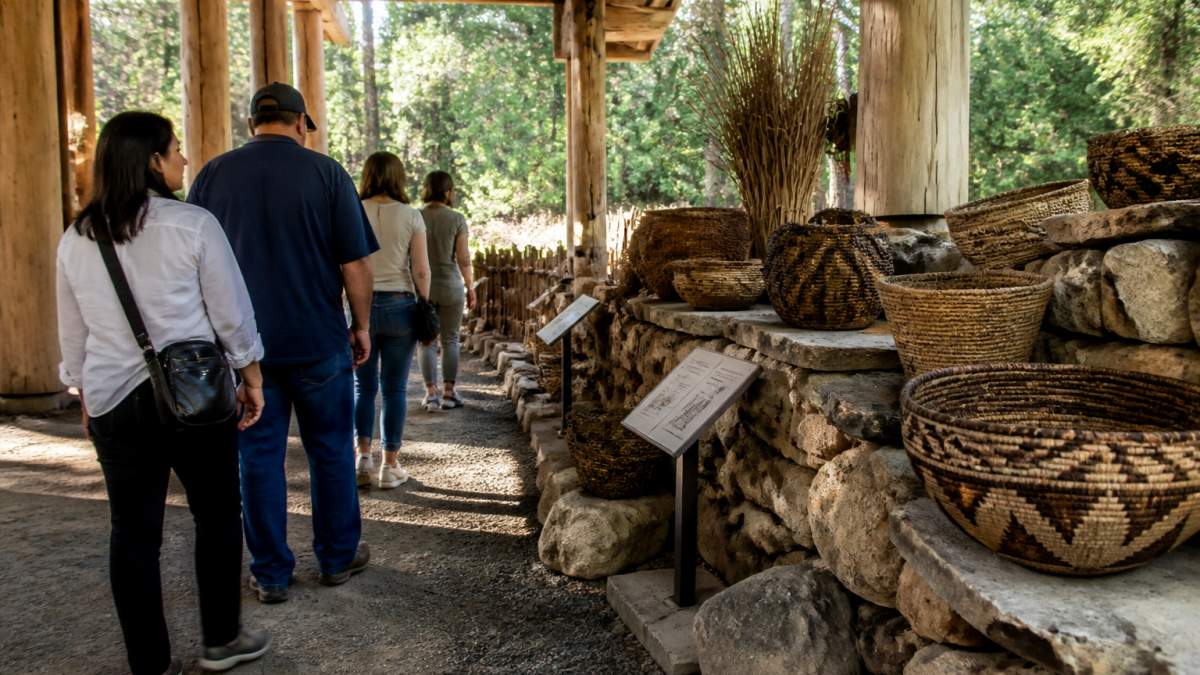
Start with the National Museum of the American Indian and its regional affiliates, then look for tribal-run museums closer to home.
Call ahead and ask what's appropriate. Listening to those answers is part of the visit.
7. Learn How to Honor Native Americans at Thanksgiving and Year-Round
You don't have to cancel the meal to get this right. You can reframe it.
The year-round part matters more than the single Thursday. Keep one commitment going into December: a book, a donation, or a local event. That's how a gesture becomes a habit.
Wear the History: Choosing Apparel That Respects Original Place Names
This is where we built Correct Geography. Our Denali - The Great One Tee celebrates the name Alaska Native people used for North America's tallest mountain. It's printed on 100% ring-spun cotton, 4.5 oz/yd², with shoulder-to-shoulder taping and a double-stitched neckline, and it costs $25.00. The design follows a vintage 1970s-80s Alaska souvenir style, because some things never needed rebranding.

Our Corrected Names Tee and Gulf of Mexico - Since 1552 Tee take the same approach to other place names, also at $25.00. All three are printed to order.
| What to check | Why it matters | Red flag |
|---|---|---|
| Named nation or origin | Shows the name has a real source | Vague "Native-inspired" labeling |
| Maker's own channel | Money reaches the community | Marketplace reseller only |
| Design intent | Honors rather than mocks | Joke names, no context |
| Material details | Tells you what you're buying | No fabric or weight listed |
Best for: people who want a specific, defensible name on their chest. Skip if: you'd rather not explain a place name at the grocery store.
Frequently Asked Questions
How can you honor Indigenous history in everyday life?
Start with the land under your feet. Learn which tribal nations historically lived in your area, read books by Native authors, and support Indigenous-owned businesses when you shop. Small, repeatable habits matter more than one-off gestures: set a monthly reminder to read one Indigenous writer, attend a local cultural event, or donate to a Native-led organization. The goal is steady engagement with Indigenous history and contemporary communities, not a single holiday gesture.
What is a respectful way to acknowledge Indigenous peoples?
A land acknowledgment should name the specific tribal nations tied to the place, be delivered by someone with a real connection to the event or land, and include a concrete commitment. Avoid generic scripts read once and forgotten. Good Indigenous land acknowledgment examples pair the statement with action, such as funding a Native-led program, hiring Indigenous speakers, or supporting tribal sovereignty efforts. If you are unsure which nations to name, contact a local tribal office or cultural center for guidance.
How can you support Native American communities beyond holidays?
Ways to support Indigenous communities include buying from Native-owned businesses, donating to Indigenous-led organizations working on land, water, and legal rights, and showing up for local tribal events throughout the year. Pay attention to contemporary issues like tribal sovereignty and voting access, not just history. You can also amplify Native voices on social media, subscribe to Indigenous journalists, and ask your local library or school to stock more Native authors.
How can you learn about the Indigenous history of where you live?
Start with your state or regional tribal affairs office and local tribal cultural centers, which often publish territorial maps and reading lists. Visit a nearby museum with Native-curated exhibits, attend public powwows or storytelling events where visitors are welcome, and read tribal nations' own websites rather than secondhand summaries. Cross-check claims against sources run by Indigenous nations themselves, since historical myths about Native peoples are common in older textbooks and tourism materials.
Learning this history takes more than a single holiday or a single purchase. It takes repeated, specific choices: reading Native authors, showing up locally, and wearing names that were right the first time. Correct Geography makes that last part easy with tees built around original place names, printed on soft ring-spun cotton, with designs rooted in real geography rather than slogans. Get started with Correct Geography and put a name on your chest that doesn't need correcting.
