
Table of Contents
- Why Activist Apparel for Daily Wear Beats Occasion-Only Protest Gear
- The Shift from March-Only to Monday-Morning
- The Best Shirts for Political Expression in 2026: Three That Hold Up
- How to Style Protest Apparel Without Looking Like a Walking Rally
- Sustainable Activist Clothing Brands and What Transparency Actually Looks Like
- Care and Maintenance: Making an Activist Apparel Shirt Last 100 Washes
- Building a Capsule Wardrobe Around Activist Apparel for Daily Wear
- Conclusion: Wear the Name, Wear It Often
- Frequently Asked Questions
Last Updated: September 15, 2026
Why Activist Apparel for Daily Wear Beats Occasion-Only Protest Gear
Activist apparel for daily wear is clothing printed with political or historical messaging meant for an ordinary wardrobe, not just marches and rallies. A shirt that only leaves the closet twice a year changes nobody's mind; one that shows up at the grocery store, the office, and the school pickup line starts conversations on a Tuesday.
That shift, from march-only to Monday-morning, is the argument for building a rotation of politically expressive tees instead of one protest outfit. Correct Geography makes shirts around exactly that idea: original place names, printed to order, priced at $25.00, styled like vintage souvenir wear rather than a walking placard. Below: three shirts that hold up to constant rotation, how to style them without looking like a rally, and how to keep them alive past wash one hundred.
Smithsonian magazine coverage of place-name history
The Shift from March-Only to Monday-Morning
Protest gear historically lived in a bin: pulled out for an event, worn four hours, washed once. Daily-wear activist clothing inverts that pattern, the message has to survive commutes, coffee spills, and a hundred laundry cycles while still reading clearly from six feet away.
The result: daily-wear pieces are quieter in design and heavier in construction. Vintage souvenir styling, like the 1970s and 1980s travel-shirt look, reads as ordinary clothing first, which is precisely why the message lands.
The Best Shirts for Political Expression in 2026: Three That Hold Up
The best shirts for political expression in 2026 are ones you would wear even if you disagreed with the print. All three picks below are printed to order on 100% ring-spun cotton at 4.5 oz/yd².
| Shirt | Price | Print Style | Best For |
|---|---|---|---|
| Corrected Names Tee | $25.00 | Red-pen corrections list | Offices, errands, ironic layering |
| Gulf of Mexico - Since 1552 Tee | $25.00 | Vintage souvenir, navy | Everyday wear, travel, warm months |
| Denali - The Great One Tee | $25.00 | Vintage souvenir, royal | Outdoor wear, cold-weather layering |
Corrected Names Tee: When the Map Gets a Sharpie
The Corrected Names Tee is the sharpest of the three. It lists the Gulf of Mexico, Kennedy Center, and Lake Ontario with corrections marked in red, styled like a graded geography quiz, no maps, no mountains, no sunsets, just a short remedial lesson on your chest. Wear it when you want the joke to arrive before the argument does.

Gulf of Mexico - Since 1552 Tee: Five Centuries of Receipts
This one wins on durability of argument. The Gulf of Mexico has carried that name for nearly five centuries, and the shirt says so plainly: warm days, salty air, since 1552. The vintage souvenir treatment makes it the most wearable of the three in mixed company, and the navy colorway pairs with almost anything.
Denali - The Great One Tee: The Name That Predates the Argument
Denali, "The Great One," has been the name used by Alaska Native people for centuries, and the mountain stands at 20,310 feet regardless of what any administration prefers (Geology of Denali National Park and Preserve). It carries the longest historical runway of the three and the least need to explain itself. Royal blue, souvenir-style, built for layering under flannel or a jacket.
How to Style Protest Apparel Without Looking Like a Walking Rally
The rule for styling protest apparel: treat the shirt as the only loud element in the outfit. One statement piece, everything else neutral. What most guides skip is the mechanism, why one loud element works, and how to move the same shirt across a professional, casual, and social setting without buying anything new.
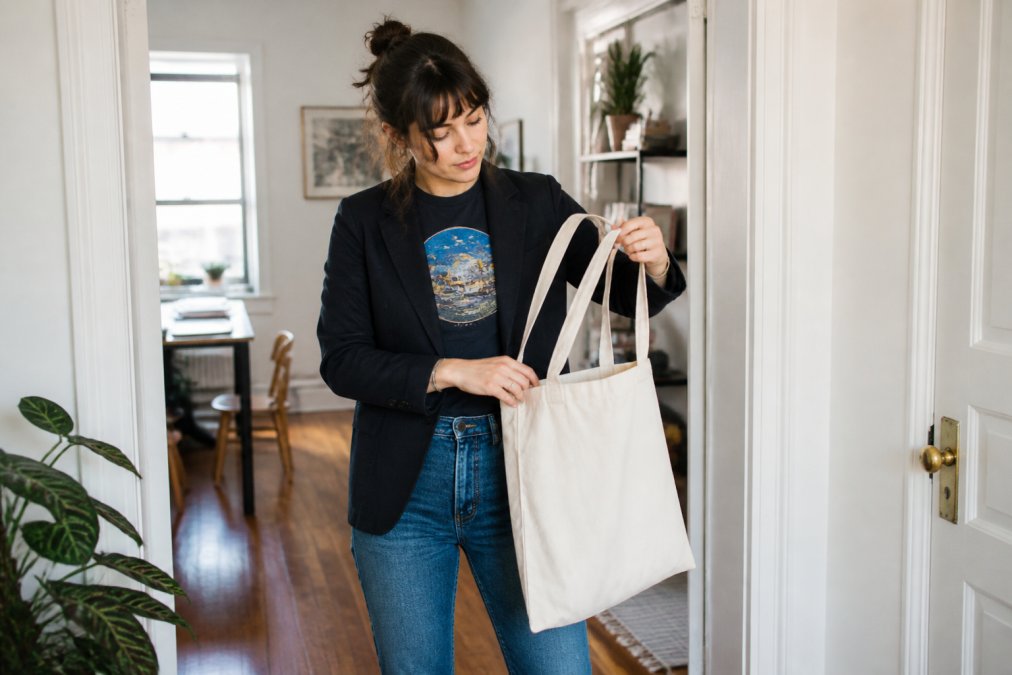
The one-loud-element rule, explained
A graphic tee is a high-contrast element: it draws the eye first. Pair it with a second high-contrast element, a patterned pant, a bright shoe, a bold bag, and the eye has nowhere to land, so the outfit reads as costume. Keep everything else low-contrast (navy, charcoal, olive, cream, denim) and the print becomes the focal point by default. It is not about being subtle; it is about controlling where the eye goes.
A practical test before you leave the house: squint at yourself in a mirror. If the shirt is the only thing that stays sharp when everything else blurs, the outfit is working.
One shirt, three settings
Take a single vintage souvenir-style tee, say the Gulf of Mexico - Since 1552 Tee in navy, and run it through three contexts.

Professional (office, client meeting, school event). Layer the tee under an unstructured blazer in charcoal or navy, pair with dark straight-leg jeans or wool trousers, and finish with a plain leather belt and loafers or clean minimal sneakers. Tuck the shirt. Keep the blazer unstructured, a structured suit jacket over a graphic tee reads as a costume, while an unstructured one reads as a choice.
Casual (errands, coffee, weekend). Wear the tee untucked with straight-leg denim and canvas sneakers. Add a canvas tote or plain baseball cap for texture without a second layer of color. This is the default rotation most people will see you in.
Social (dinner, a show, a friend's party). Tuck the tee into wide-leg trousers or a midi skirt, add a leather belt and a simple necklace or watch, and finish with flat sandals or boots depending on season. The tucked waist shifts the shirt from "I grabbed this off the floor" to "I chose this."
The capsule math
You do not need a large closet. Three statement tees, two neutral bottoms, one layer, and one pair of shoes cover all three settings above. The shirts do the talking; the rest of the closet stays quiet.
What to avoid
- Two loud elements at once (print plus pattern, print plus bright shoe)
- A structured suit jacket over a graphic tee, it reads as a costume, not a choice
- Stacking multiple message pieces (hat, shirt, tote) in one outfit; it dilutes each message
- Wearing the shirt only for events, the whole point of daily-wear activist apparel is repetition, not occasion
Sustainable Activist Clothing Brands and What Transparency Actually Looks Like
Transparency in activist clothing means the brand tells you what the shirt is made of, how much it weighs, and how it is produced, without making you hunt for it.
The three-question baseline
The verification checklist
Federal Trade Commission guidance on environmental marketing claims
What a passing brand looks like
Why this matters for activist apparel specifically
Care and Maintenance: Making an Activist Apparel Shirt Last 100 Washes
Building a Capsule Wardrobe Around Activist Apparel for Daily Wear
Build it like this:
Conclusion: Wear the Name, Wear It Often
Frequently Asked Questions
What is considered activist apparel?
Activist apparel is clothing that carries a political message, cultural identity, or social justice statement through print, slogan, or design. It ranges from slogan-heavy graphic tees to quieter pieces like a place-name shirt that corrects a politically motivated rename. The defining trait is that the garment communicates a position, not just a logo. For daily wear, subtlety often works better than a full protest banner, since you can wear it to the grocery store, the office, or a family dinner without turning every interaction into a debate.
How do I style protest apparel for a professional setting?
Treat the shirt as the only loud element in the outfit. Tuck a graphic tee into tailored trousers or a midi skirt, add a structured blazer, and keep shoes and accessories neutral. A vintage souvenir-style print reads more like a casual shirt than a protest sign, which helps in offices with loose dress codes. If your workplace is formal, save the political message for weekends and wear the shirt under a buttoned cardigan with only the top of the graphic visible.
Are there sustainable activist clothing brands worth buying from?
Look for print-on-demand production, which avoids unsold inventory, and fabrics you can verify. Correct Geography shirts are printed to order on 100% ring-spun cotton (heather blends mix in polyester), at 4.5 oz/yd², with double-stitched necklines and sleeves. Print-on-demand means no warehouse of unsold political shirts heading for a landfill. Ask any brand three questions: what the fabric is, whether they print to order, and how the shirt is finished. Vague answers are a signal.
Where can I buy high-quality activist t-shirts that last?
Buy from a shop that tells you the fabric weight, the cotton content, and how the shirt is constructed. Correct Geography sells three options at $25 each: the Corrected Names Tee, the Gulf of Mexico - Since 1552 Tee, and the Denali - The Great One Tee. All three use ring-spun cotton. That construction detail is what separates a shirt you wear weekly from one that twists after two washes.
How do I wash activist apparel so the print survives?
Turn the shirt inside out, wash cold on a gentle cycle, and skip the dryer. Heat is what cracks screen-printed graphics and fades cotton. Hang dry or lay flat, then iron inside out on low if needed, never directly on the print. Wash graphic tees separately from anything with zippers or velcro that can snag the surface. Following this routine, a well-constructed ring-spun cotton tee should hold its shape and print for years of regular wear.