
Table of Contents
- Why Generic Place Names Dominate Modern Geography
- Ancient or Obsolete Place Names Worth Reviving
- Unique Town Names That Stand Out
- Understanding Place-Name Etymology and Origin
- How to Create Fictional Town Names with Authenticity
- Naming Principles for Distinctive and Meaningful Places
- Reclaiming Original Names: Real-World Examples
- Frequently Asked Questions
Last Updated: October 20, 2026
Why Generic Place Names Dominate Modern Geography
Place names shape how we understand the world, yet many modern settlements carry interchangeable titles that could describe anywhere.
Generic naming conventions took hold in the 20th century, when planners, developers, and government agencies adopted standardized systems built for administrative efficiency rather than cultural resonance. Streets were numbered instead of named; neighborhoods labeled by compass direction.
The shift coincided with rapid industrialization and suburban expansion, as developers needed to name hundreds of subdivisions quickly.
Yet beneath this modern veneer lies a richer tradition. Indigenous peoples named places after geographic features, historical events, or spiritual significance.
Understanding why we abandoned distinctive naming is the first step toward reclaiming it. The alternatives exist, in history, in etymology, in place names deliberately built to mean something.
Ancient or Obsolete Place Names Worth Reviving
Many places carry older names that deserve reconsideration. These aren't museum pieces, they're living alternatives to the generic frameworks that dominate today's landscape.
Names Rooted in Indigenous Languages
Indigenous place names encode centuries of geographic knowledge and cultural identity. "Denali," meaning "the Great One" in the Athabascan language, describes North America's tallest mountain with more precision and poetry than any modern designation, connecting it to the people who lived in its shadow long before standardized naming arrived.

Similar examples abound: "Susquehanna," "Potomac," "Shenandoah" all originated from Indigenous languages and remain embedded in the landscape. They survived because they were too established to erase, not because planners valued their authenticity, yet they prove that names rooted in language and culture outlast generic alternatives.
Reviving Indigenous place names isn't nostalgia. It acknowledges that the people who inhabited a region first understood its character and encoded that understanding in language. Reclaiming an original name means choosing connection over convenience, meaning over marketability.
Historical Names That Predate Modern Standardization
Before suburbs and numbered streets, places acquired names through accumulated history. "Salem" derives from the Hebrew word for peace, "Providence" reflects its founders' theological worldview, and "Ithaca" references classical mythology.
These names identified a location while communicating something about the settlement's character, values, or founding story. They were memorable precisely because they meant something.
The shift toward generic naming coincided with the rise of real estate as a commodity. When land became something to buy, subdivide, and resell quickly, distinctive names became liabilities: "Meadowbrook Estates" could be replicated in any region, while a neighborhood named after a local historical figure or geographic feature couldn't be mass-produced.
Yet communities that retain historical names often maintain stronger local identity and attachment. The name becomes an anchor, a reference point for collective memory.
Unique Town Names That Stand Out
Certain communities have deliberately rejected generic naming conventions, creating place names that are distinctive, memorable, and often surprising. These examples demonstrate that alternatives exist and that they matter.
Consider towns with single-word names that are evocative and specific: "Ithaca," "Ashland," "Sedona." These names are instantly recognizable, conjure specific associations, and are difficult to confuse with other places.
Other communities reference local natural features with specificity: "Moose Jaw," "Bozeman," "Sedona." These names describe something real about the place, the animals present, the founder, the distinctive landscape, and create mental images.
The common thread: these names are particular rather than universal. That particularity is what makes them memorable and valuable. When someone mentions "Moose Jaw," you know exactly what kind of place they're describing.
| Name Type | Characteristics | Memorability | Geographic Specificity |
|---|---|---|---|
| Generic (Meadowbrook, Central Valley) | Descriptive, mass-producible, standardized | Low | Low |
| Indigenous-rooted (Denali, Susquehanna) | Language-based, culturally specific, historical | High | High |
| Historical (Providence, Salem) | Founder or event-based, meaning-laden | High | Medium |
| Feature-specific (Moose Jaw, Bozeman) | Natural or local reference, distinctive | High | High |
| Literary/mythological (Athens, Troy) | Cultural reference, intellectually anchored | High | Medium |
Understanding Place-Name Etymology and Origin
Every place name carries a history. Understanding that history reveals why some names endure while others fade, and why generic alternatives often fail to resonate.
What Geographic Features Reveal About Names
The oldest place names encode geographic information. "Mississippi" derives from an Ojibwe word meaning "great river." "Appalachia" references the Apalachee people. "Ozark" comes from the French "aux arcs", "to the bows," referencing the Osage people.
These names work because they describe something observable and important, a river, a mountain range, a distinctive landscape feature, communicating practical information while carrying cultural significance.
Modern generic names invert this logic. "Meadowbrook Estates" describes an aspirational lifestyle rather than an actual feature, and "Central Valley" references location relative to other places rather than anything distinctive about the valley itself.
Names that survive centuries typically reference constant features: mountains, rivers, valleys, distinctive landmarks. Names based on temporary conditions, economic activity, demographics, or architectural styles become obsolete when those conditions change.
Translation and Alternate Spelling Across Languages
Place names often shift meaning when translated or transliterated across languages.
This problem extends across the globe. Cities carry multiple names depending on language and historical period: "Kolkata" and "Calcutta," "Mumbai" and "Bombay," "Beijing" and "Peking" all reflect different colonial and political histories.
These alternates reveal that naming is never purely descriptive. It's always political, cultural, and connected to power. When communities reclaim original or Indigenous names, they make a statement about whose history and culture the place represents.
The same principle applies at smaller scales: a neighborhood named after a historical figure carries different meaning than one numbered or named after a generic feature. The choice reflects what the community values and remembers.
How to Create Fictional Town Names with Authenticity
Writers, game designers, and worldbuilders face the same challenge as communities: how to create place names that feel authentic rather than generic. The principles that make real place names memorable also apply to fictional ones.
Building Names from Geographic and Cultural Context
Authentic fictional place names emerge from the same sources as real ones: geographic features, cultural context, and historical development. A town built in a valley near a river might carry a name referencing water.
The key is consistency. If a fictional world uses names derived from Celtic languages, all place names should follow similar patterns. If a region's geography emphasizes mountains, place names should reference that terrain. This internal consistency creates believability.
Generic fictional names, "Meadowbrook," "Central City," "Northvale", feel false precisely because they lack this specificity. They could exist anywhere. Readers sense the lack of particularity.
Authentic fictional names often emerge from asking specific questions: What geographic feature defines this place? What culture founded it? What historical event shaped it? What does the landscape actually look like? Answering these questions generates names with depth and resonance.
Naming Conventions That Sound Natural and Memorable
Certain naming patterns recur across cultures and time periods. Understanding these patterns helps create fictional names that feel authentic.
Many English place names combine a descriptor with a geographic feature: "New" + location name (New York), "North/South/East/West" + direction (North Carolina), or a founder's name + descriptor (Charleston).
Other cultures employ different conventions. Germanic languages often use compound words: "Stuttgart" combines "Stute" (mare) and "Garten" (garden). Romance languages frequently use diminutives or geographical descriptors: "Montpellier" means "bare mountain."
The most memorable fictional names often combine familiar patterns with unexpected elements. They sound like they belong to a specific culture or language family while remaining distinctive. They're pronounceable but not generic.
When creating fictional place names, consistency matters more than individual cleverness.
Naming Principles for Distinctive and Meaningful Places
Whether reviving historical names, reclaiming Indigenous place names, or creating new ones, certain principles consistently produce distinctive results.
Meaningful place names typically reference something specific and observable about the location. They encode information, geographic, cultural, or historical, that distinguishes the place from others.
Generic names typically describe aspirational qualities or employ standardized templates. They're designed for administrative efficiency and broad appeal rather than distinctiveness. They're forgettable by design.
The most successful place names balance multiple functions. They're pronounceable and easy to remember. They reference something real about the place.
Communities that have deliberately chosen distinctive names, whether by reviving historical ones or creating new ones rooted in local character, report stronger community identity and attachment.
This principle applies beyond geographic naming.
Reclaiming Original Names: Real-World Examples
Several communities have successfully reclaimed original or historical place names, demonstrating the practical value of moving away from generic alternatives.
Denali, the tallest mountain in North America, was officially renamed from Mount McKinley in 2015.
The Gulf of Mexico has maintained its Spanish colonial name for nearly five centuries, despite political changes and administrative reorganizations.

These examples demonstrate a pattern: place names that survive centuries typically reference something real and enduring about the location. They often carry cultural or Indigenous significance.
Communities considering name changes face legitimate questions about historical accuracy, cultural respect, and community identity.
When you wear a shirt celebrating a place name's authentic history, you're making a statement about the value of specificity, cultural respect, and resistance to generic standardization. The Denali - The Great One Tee celebrates a mountain's original name and the Alaska Native people who used it for centuries. The Gulf of Mexico - Since 1552 Tee marks nearly five centuries of consistent naming despite political changes. The Lake Ontario - Est 1615 Tee honors the year European exploration documented a name that Indigenous peoples had used for generations.

These shirts do more than celebrate geography. They represent a choice to value authenticity over convenience, meaning over marketability, and cultural respect over administrative standardization.
The proliferation of generic place names reflects broader cultural choices about what we value: efficiency, broad appeal, or distinctiveness and meaning.
Frequently Asked Questions
How can I find the original or alternative name for a place?
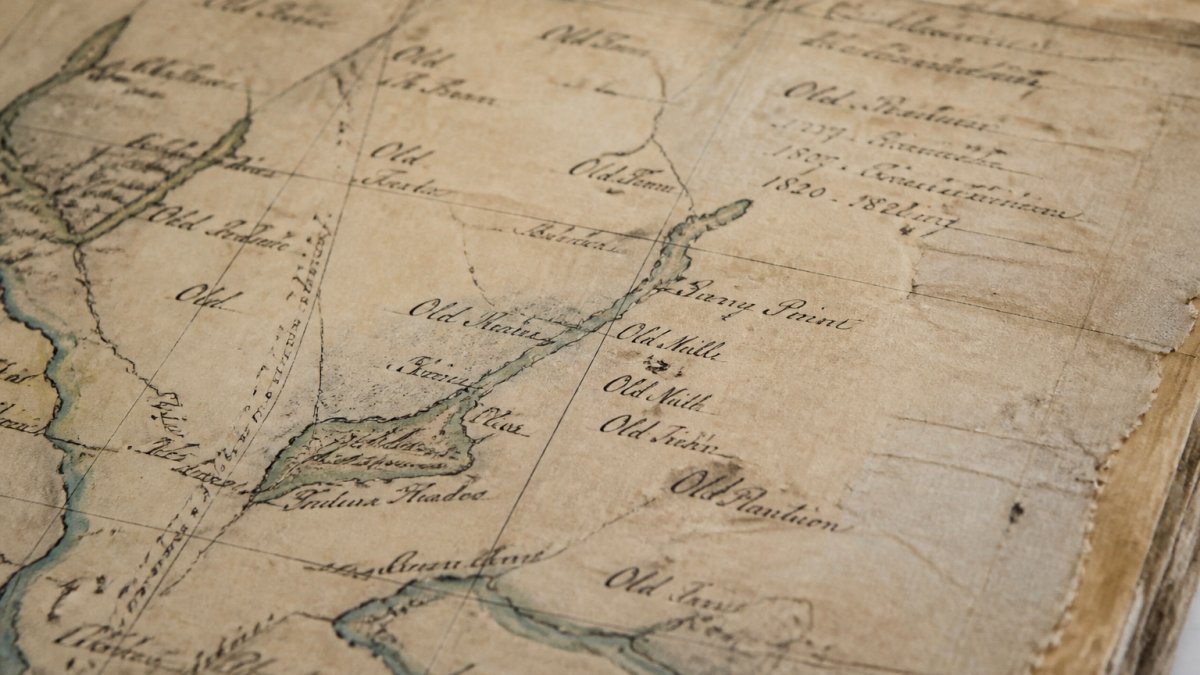
Start with historical maps, local historical societies, and indigenous language resources. Many places have documented name changes tied to colonial periods, political shifts, or linguistic evolution. Etymology databases and academic geographic journals often trace the origins of place names. For example, Denali has been called 'The Great One' by Alaska Native people for centuries before recent rebranding efforts. Checking local archives or speaking with community historians can reveal the authentic names that predate modern generic designations.
What makes a place name sound generic versus distinctive?
Generic names rely on common descriptors like 'New,' 'North,' 'Lake,' or 'Town' combined with another word, creating forgettable combinations. Distinctive names draw from specific geographic features, cultural heritage, or indigenous language roots. The Gulf of Mexico, documented since 1552, carries historical weight and specificity. Names rooted in etymology and local meaning stand out because they tell a story about the place itself rather than simply categorizing it. One-word names or those referencing unique landscape characteristics tend to be more memorable and meaningful.
Can I wear a shirt with an original place name and expect people to understand it?
Understanding depends on context and audience. The Corrected Names Tee ($25.00) features three recent rebranding examples, the Gulf of Mexico, Kennedy Center, and Lake Ontario, with corrections highlighted in red. For widely recognized places with well-documented name changes, many people will grasp the message. For more obscure historical names or indigenous language alternatives, you may need to explain the reference. That's part of the appeal for history enthusiasts and activists: the shirt becomes a conversation starter about geographic authenticity and naming power.
How do I create a fictional town name that sounds authentic?
Ground fictional names in real naming conventions: combine geographic descriptors with cultural or linguistic elements. Study how actual place names evolved, many blend landscape features (valley, river, mountain) with descriptive words or cultural references. Avoid overusing generic prefixes. Consider the fictional setting's history, culture, and language when constructing the name. For example, names with indigenous language roots sound more authentic than randomly assembled syllables. Research naming patterns from similar real-world regions to maintain consistency and believability within your fictional world.
What's the difference between ancient place names and alternative modern names?
Ancient place names often predate modern political systems and reflect indigenous languages, geographic meaning, or historical settlement patterns. Alternative modern names might be recent revivals of older names or variations in translation across languages. Denali represents both: it's an ancient Alaska Native name meaning 'The Great One' that was recently restored as the official name. Lake Ontario, documented since 1615 when Samuel de Champlain first recorded it, represents a name that has endured for centuries despite modern rebranding attempts. Both categories reject generic modern naming conventions in favor of names with authentic roots and historical continuity.