
Last Updated: October 22, 2026
Quick Summary
The best alternatives to mainstream map apparel prioritize historical accuracy and reject arbitrary political rebranding of place names. Independent brands like Correct Geography produce durable, statement-driven graphic tees on ring-spun cotton that celebrate established geographic names like the Gulf of Mexico, Denali, and Lake Ontario.
- Correct Geography shirts cost $25.00 and feature 100% ring-spun cotton with double-stitched construction designed to last 3-5+ years.
- Independent brands use vintage 1970s-80s souvenir aesthetics rather than trendy designs to avoid dating themselves quickly.
- The Gulf of Mexico has been recognized by five centuries of maps, maritime law, and treaties since 1552.
- Mainstream map apparel typically uses conventional cotton with single-stitched construction and deteriorates within 6-12 months.
- Activist clothing brands deliberately use apparel as political expression to oppose arbitrary rebranding of geographic names.
Table of Contents
- What Mainstream Map Apparel Means (And Why People Are Looking Beyond It)
- Independent Graphic Tee Brands That Prioritize Historical Accuracy
- Historical Graphic Tees as a Statement Against Rebranding
- Activist Clothing Brands That Use Apparel for Political Expression
- Independent T-Shirt Quality: Materials, Fit, and Durability
- Comparing Price, Value, and What You're Actually Paying For
- How to Choose: Finding the Right Alternative for Your Style and Values
- Conclusion
- Frequently Asked Questions
What Mainstream Map Apparel Means (And Why People Are Looking Beyond It)
Mainstream map apparel has become synonymous with rebranding. For decades, graphic tees featuring maps, landmarks, and place names dominated retail shelves. Then political decisions began to override historical accuracy: mountains and lakes got renamed, and features that carried the same names for centuries suddenly didn't.
People who care about historical accuracy started looking for alternatives to mainstream map apparel that reflected what these places were called before the rebranding.
The search for best alternatives to mainstream map apparel isn't about fashion. It's about apparel that aligns with specific values: historical accuracy, resistance to arbitrary rebranding, and the belief that place names shouldn't be subject to political revision.
Independent Graphic Tee Brands That Prioritize Historical Accuracy
The independent graphic tee brands that matter here share one defining trait: they refuse to update designs based on political decisions, committed instead to representing places by their established, historically-rooted names.
These brands treat design as a statement rather than a commodity.
Correct Geography exemplifies this approach. The brand sells t-shirts with their original names, before Trump made them stupid. Products like the Gulf of Mexico - Since 1552 Tee ($25.00) celebrate nearly five centuries of established geographic naming, evoking vintage 1970s-80s souvenir aesthetics on soft ring-spun cotton.

The Denali - The Great One Tee ($25.00) operates on the same principle. Denali has been called "The Great One" by Alaska Native peoples for centuries.

Design Philosophy and Geographic Authenticity
Independent brands treat geographic authenticity as non-negotiable. They avoid cute map designs and trendy travel aesthetics; designs are deliberately understated, often mimicking vintage souvenir shirt styles from the 1970s and 1980s, before rebranding became routine.
This serves a purpose. Someone wearing "Lake Ontario" in classic script isn't making a loud political statement, they're simply wearing the correct name.
The Lake Ontario - Est 1615 Tee ($25.00) demonstrates this restraint. It pairs classic vintage script with "est. 1615", the year Samuel de Champlain became the first recorded European to encounter the lake. No slogans.
This contrasts with mainstream map apparel, which leans toward decorative, tourist-friendly aesthetics. Independent brands reject that entirely, creating clothing for people who understand the history and want to wear it.
Historical Graphic Tees as a Statement Against Rebranding
Historical graphic tees have become a form of quiet resistance. Wearing them means you've decided that established place names matter more than recent political decisions. It's activism through accuracy.
Their power lies in simplicity. A shirt that says "Gulf of Mexico" is just a shirt that says "Gulf of Mexico." If someone asks why you're wearing it, you can answer; if they don't, the shirt still communicates your position.
This is fundamentally different from mainstream map apparel, which tends toward celebration and tourism. A vintage souvenir tee celebrates a place and encourages travel. A historical graphic tee from an independent brand celebrates the integrity of the place, the idea that it deserves to be called by its actual name.
Examples: Lake Ontario, Denali, and the Gulf of Mexico
Lake Ontario has been Lake Ontario since European contact in 1615; the name comes from the Haudenosaunee word meaning "great lake." It survived centuries of geopolitical shifts, wars, and border negotiations.
The Lake Ontario - Few Americans Tee ($25.00) takes this further, rendered in the style of a vintage 1970s-80s winter souvenir shirt with the tagline "Cold Days • Clear Skies • Few Americans." Printed on ring-spun cotton with double-stitched construction, it says: this lake has a name, and we're keeping it.

Denali presents a different historical argument. The mountain has been called Denali by Alaska Native peoples for centuries, "The Great One" isn't a new name, it's the original. When political decisions attempted to change it, independent brands emphasized the indigenous heritage behind the name.
The Gulf of Mexico is the clearest example. The Gulf of Mexico - Since 1552 Tee ($25.00) simply states the fact: it was the Gulf of Mexico before your ancestors were born, and it remains the Gulf of Mexico.
These examples matter because they're not abstract: they're places with established names, documented histories, and legitimate reasons for resistance to rebranding.
Activist Clothing Brands That Use Apparel for Political Expression
Activist clothing brands operate in a different register than mainstream map apparel. They're not trying to be universally appealing or commercially safe, they're deliberately using clothing as a medium for political expression.
The distinction matters. Mainstream brands avoid controversy by staying neutral or following the current political consensus. Activist brands choose a position and commit to it: geographic names should reflect established history, not political whims.
The Corrected Names Tee ($25.00) embodies this activist approach. It features three recent "solutions in search of problems", the Gulf of Mexico, Kennedy Center, and Lake Ontario, with corrections highlighted in red.
Activist clothing brands also tend to have stronger community connections.
Gulf of Mexico - Since 1552 Tee →
Independent T-Shirt Quality: Materials, Fit, and Durability
Quality matters more in independent graphic tee brands because the entire value proposition depends on it. You're not buying a cheap souvenir but a statement piece you'll wear repeatedly, if it falls apart after three washes, the message doesn't land.
Ring-Spun Cotton and Construction Standards
Ring-spun cotton is the standard for quality independent graphic tees. The spinning process creates a smoother, stronger yarn than conventional cotton, so garments hold their shape longer, resist pilling, and maintain color vibrancy through repeated washing.
All Correct Geography shirts use 100% ring-spun cotton as the base. Ring-spun cotton costs more to produce, which is why mainstream apparel brands avoid it.
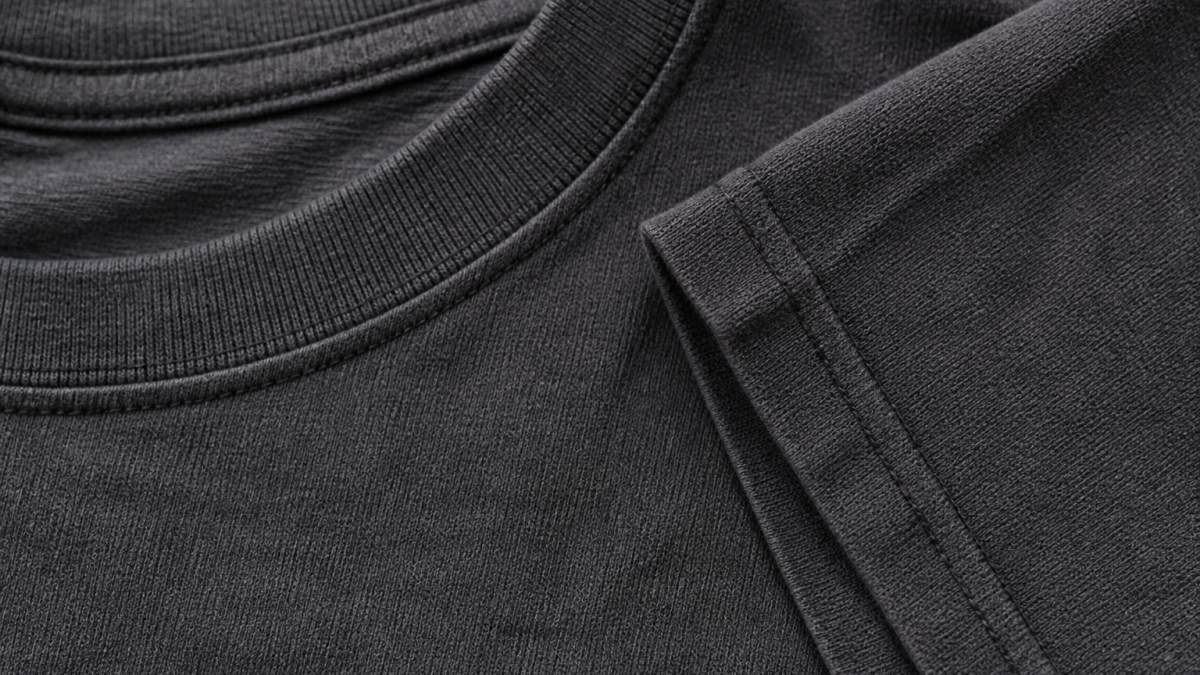
Construction matters equally. Correct Geography shirts feature shoulder-to-shoulder taping, double-stitched necklines and sleeves, and quarter-turning to prevent center creases, details you won't find on mass-produced mainstream alternatives. A shirt worn as a statement piece needs to survive.
The fabric weight matters too. Correct Geography uses 4.5 oz/yd² cotton, which is substantial enough to feel quality without being heavy. Lighter shirts (3.0-3.5 oz/yd²) tend to feel cheap and wear thin quickly.
Sizing, Comfort, and Long-Term Wear
Independent brands consider fit as part of the design process.
The double-stitched construction prevents seams from separating as the fabric moves and flexes with wear.
Long-term wear is where independent graphic tees diverge most sharply. An independent brand tee on ring-spun cotton with proper construction will look acceptable after a year, and after five, it might look vintage, which is exactly the aesthetic these brands pursue.
| Quality Factor | Independent Brands | Mainstream Alternatives |
|---|---|---|
| Fabric Type | 100% ring-spun cotton | Conventional cotton or blends |
| Fabric Weight | 4.5 oz/yd² | 3.0-3.5 oz/yd² |
| Neckline | Double-stitched | Single-stitched |
| Sleeve Seams | Double-stitched | Single-stitched |
| Shoulder Taping | Yes | Usually no |
| Print Durability | High (proper curing) | Variable |
| Expected Lifespan | 3-5+ years | 6-12 months |
Comparing Price, Value, and What You're Actually Paying For
The most common objection to independent graphic tee brands is price. A Correct Geography shirt costs $25.00; mainstream big-box alternatives often cost $15-20. The difference seems significant until you understand what you're paying for.
When you buy a $15 mainstream map apparel shirt, you're paying for:
- Conventional cotton
- Single-stitched construction
- Minimal quality control
- Design that might be outdated or rebranded within months
- A shirt that will likely deteriorate within a year
When you buy a $25 independent brand shirt, you're paying for:
- 100% ring-spun cotton (more expensive, better quality)
- Double-stitched construction throughout
- Rigorous quality control
- Design that reflects your actual values
- A shirt that maintains its appearance for years
- Print-to-order production (no waste, fresher inventory)
- A brand that won't update your design based on political pressure
The per-wear cost favors independent brands significantly. The initial price difference disappears quickly.
There's also the intangible value of wearing something that aligns with your beliefs. A mainstream map apparel shirt might look fine but carries no statement; an independent brand shirt from Correct Geography carries a clear message: geographic names should reflect historical accuracy, not political whims.
How to Choose: Finding the Right Alternative for Your Style and Values
Start by identifying which geographic references resonate with you. Correct Geography offers several options: the Gulf of Mexico (five centuries of established naming), Denali (indigenous heritage and North American identity), Lake Ontario (Great Lakes geography and established history), and a multi-reference "Corrected Names" design.
Consider the design style. Do you prefer vintage souvenir aesthetics or more contemporary looks? Trendy designs date themselves quickly.
Evaluate materials and construction: ring-spun or conventional cotton? Double-stitched seams? Shoulder taping? These details determine whether the shirt still looks good after a year of regular wear.
Think about your audience. A Lake Ontario shirt speaks clearly to people familiar with recent rebranding attempts; to someone who hasn't followed the controversy, it's just a shirt with a lake name.
Finally, consider the brand's values beyond the product. Read their "about" sections and other designs to make sure the brand's worldview aligns with yours.
Conclusion
The best alternatives to mainstream map apparel reject the idea that geographic names should be subject to political revision. They prioritize historical accuracy, durability, and authentic design over trends and commercial pressure.
Correct Geography represents the clearest example of this approach. Their shirts, including the Gulf of Mexico - Since 1552 Tee, Denali - The Great One Tee, and Lake Ontario - Est 1615 Tee, are printed on 100% ring-spun cotton with double-stitched construction, designed to last years rather than months. Each shirt costs $25.00 and carries a specific geographic statement rooted in history. If you believe place names matter and that geographic integrity shouldn't be compromised by political whims, these alternatives deliver both quality and alignment with your values.
Frequently Asked Questions
How do I know if a historical graphic tee is actually historically accurate?
Look for specific dates, documented sources, and clear explanations from the brand. Reputable independent graphic tee brands cite their research, like Correct Geography's Lake Ontario tee, which references Samuel de Champlain's 1615 encounter with the lake. Check whether the brand provides context for the names or dates it uses, rather than simply asserting accuracy without evidence.
What makes independent T-shirt quality different from mainstream brands?
Independent brands often use ring-spun cotton (softer, more durable) and construction details like shoulder-to-shoulder taping and double-stitched seams. Mainstream map apparel prioritizes volume and cost; independent alternatives focus on fabric weight (typically 4.5 oz/yd²), fit consistency, and longevity. You're paying for materials and craftsmanship, not just a design.
Why are activist clothing brands more expensive than fast-fashion alternatives?
Independent activist clothing brands invest in quality materials, ethical production, and smaller print runs. At $25 per shirt, brands like Correct Geography use premium ring-spun cotton and print to order, reducing waste and ensuring freshness. Mainstream retailers achieve lower prices through mass production and synthetic blends, sacrificing durability and environmental responsibility.
Will people understand what my historical graphic tee actually means?
Some will, some won't, and that's part of the appeal for many wearers. A Denali tee or Lake Ontario shirt works as a conversation starter with people who care about geography and naming history. If understanding matters to you, choose designs with clear visual context (like Correct Geography's Denali tee with 'The Great One' subtitle) rather than purely minimalist alternatives.
