
Table of Contents
- Why Geographic Names Are Being Changed
- The Controversy Over Renaming Historical Monuments
- Federal Regulations for Renaming Landmarks
- Economic Impact of Political Renaming on Local Tourism and Branding
- Public Sentiment and Long-Term Psychological Effects
- Global Comparative Framework: How Other Countries Handle Renaming
- Conclusion: The Impact of Political Renaming on Landmarks
- Frequently Asked Questions
Last Updated: September 19, 2026
Why Geographic Names Are Being Changed
The impact of political renaming on landmarks has become one of the most visible flashpoints in American public life, and the pattern is consistent: a name that stood for decades or centuries gets replaced, and the replacement satisfies one constituency while alienating another. At Correct Geography, we track these changes because they show up in everyday objects, including the shirts people wear. The core driver behind most renamings is not new information about a place. It is a shift in who holds the authority to decide what a place is called.
Political renaming is the practice of changing a geographic name, monument designation, or landmark title through government action or sustained public pressure, usually to reflect current political priorities rather than new geographic or historical discoveries.
Three forces push these changes forward:
- Reclamation: restoring names used by Indigenous or local communities before a later authority overwrote them
- Reaction: removing a name associated with a figure or era that current politics rejects
- Rebranding: replacing a name that has become a liability for tourism, investment, or institutional image
The U.S. Board on Geographic Names exists precisely because naming decisions require a formal process, not a mood. That process matters more than most coverage admits.
The Controversy Over Renaming Historical Monuments
Controversy over renaming historical monuments follows a recognizable arc: a proposal, a polarized public comment period, a decision, and years of contested usage. The National Park Service manages many sites where this tension plays out directly, and its own guidance treats name changes as an interpretive decision rather than a purely administrative one. What most guides miss is that the fight is rarely about the name itself. It is about who gets to write the next chapter of the story, and about who was never asked during the first draft.
Two objections surface repeatedly:
- Erasure: opponents argue that removing a name deletes a record of who built, funded, or inhabited a place
- Endorsement: supporters argue that keeping a name amounts to ongoing public endorsement of what that name represents
Neither side is fully wrong, which is exactly why these disputes last for years rather than resolving cleanly. A name is a compressed historical claim, and compressing history always leaves something out.
What the arc actually looks like in practice. The pattern is consistent enough to map:
- Proposal and framing. An advocacy group, tribal nation, or elected official files a request. The framing chosen here, reclamation, correction, or rebranding, often determines whether the proposal is treated as routine or as a culture-war flashpoint.
- Comment period and hearing. Federal processes typically include a public comment window. Turnout is usually small relative to the population affected, which is why organized groups can shape outcomes far beyond their numbers.
- Decision and implementation. The approving authority issues a decision, but implementation, signage, maps, databases, addresses, can lag for years.
- Contested usage. The old name persists in local speech, business names, and printed materials long after the official change.
The distinction that changes everything: features vs. monuments. A geographical feature (a creek, a peak, a bay) is renamed through a formal toponymic process. A man-made monument or building is renamed through a political or institutional process. The first is largely technical; the second is inherently symbolic. That difference explains why a mountain can be renamed with relatively little sustained backlash while a statue or school building can trigger years of litigation and local elections.
Primary sentiment vs. media framing. National coverage tends to portray renaming fights as evenly split, because that is the shape of the loudest voices. Local sentiment is often more lopsided in one direction, but which direction varies by community, and it rarely matches the national narrative. A common pattern practitioners describe: residents who oppose a change on procedural grounds (they were not consulted) get lumped in with residents who oppose it on ideological grounds, even though the two groups want different things and could be satisfied by different fixes.
The long-term psychological dimension. The 'erasure vs. reclamation' debate is usually argued in political terms, but the durable effects are psychological. Repeated renaming teaches residents that official names are provisional and that attachment to a place name is politically contingent. For some, that produces detachment from civic identity; for others, it produces a defensive attachment to the old name that outlasts the political moment that changed it. The practical implication is that process matters as much as outcome: renamings handled with genuine public input tend to produce less durable backlash than those pushed through quickly, even when the final name is identical.
Federal Regulations for Renaming Landmarks
Federal regulations for renaming landmarks run through a defined administrative channel rather than a direct vote or executive order in most cases. The U.S. Board on Geographic Names reviews proposals for geographic features, while Congress and federal agencies handle monument and building designations through separate authorities. Understanding this split explains why some renamings move quickly and others stall for a decade.
A common mistake is assuming a single federal body controls all renamings. In practice, geographic features, federal buildings, and monuments each follow different approval paths, which is why timelines vary so widely between cases.
The practical takeaway: if you want to understand why a specific name changed, identify which authority had jurisdiction first. That single fact usually explains the speed, the controversy level, and whether the change stuck.
| Renaming Type | Primary Authority | Typical Timeline |
|---|---|---|
| Geographic features | U.S. Board on Geographic Names | Months to years |
| Federal buildings | Congress or agency policy | Varies by legislation |
| National monuments | Executive or legislative action | Fast to contested |
| Local landmarks | Municipal or state bodies | Months |
Economic Impact of Political Renaming on Local Tourism and Branding
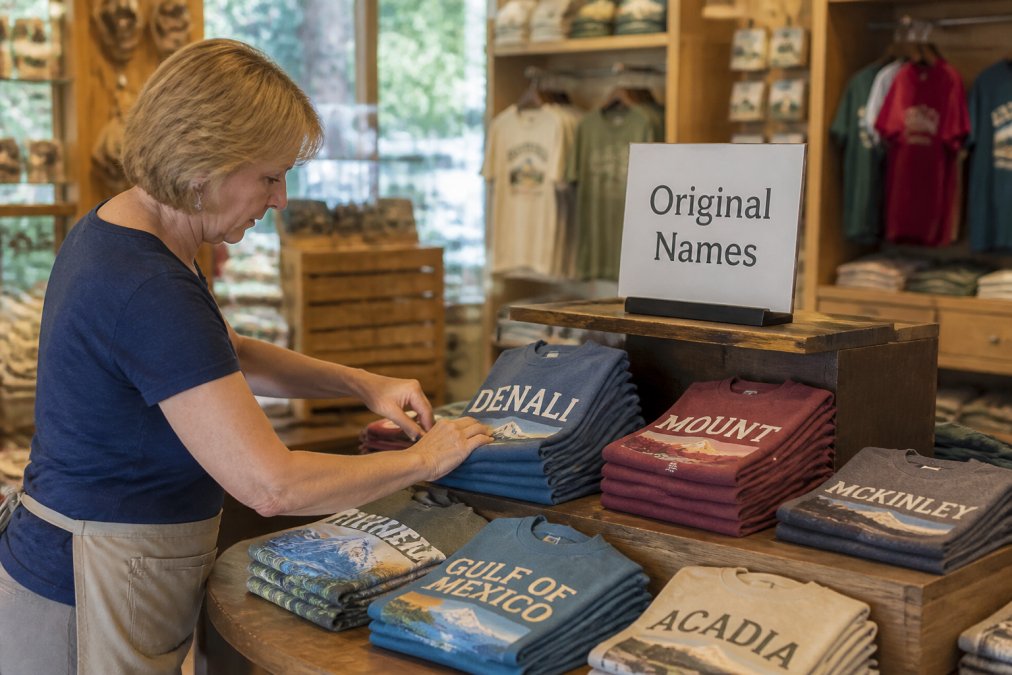
Renaming carries real economic consequences for tourism and local branding, though the direction of the effect depends on the market. Souvenir shops, mapmakers, signage suppliers, and hospitality businesses all absorb the cost of a name change, and some benefit from the novelty while others lose the recognition that made a place searchable.
Public Sentiment and Long-Term Psychological Effects
The practical implication is that process matters as much as outcome. Renamings handled with genuine public input tend to produce less durable backlash than those pushed through quickly, even when the final name is identical.
Global Comparative Framework: How Other Countries Handle Renaming
Most coverage of landmark renaming stays inside one country's politics. A comparative lens is more useful, because it isolates which variables actually drive outcomes: who holds naming authority, how much local consent is required, and whether renaming is treated as routine administration or as an act of national memory. The United Nations Group of Experts on Geographical Names documents how different nations standardize toponymy, and the variation is wider than most readers expect.
Four models, four trade-offs.
- Centralized national naming authority. A single board or ministry approves changes. Decisions are fast and consistent, but they concentrate resentment: a name imposed from the capital can become a symbol of the capital itself. Countries that rebuilt national identity after regime change often adopted this model precisely because speed mattered more than consensus.
- Decentralized or local-consent model. Local governments or affected communities must sign off. Changes are slow and often never happen, but the ones that do tend to stick, because the people most affected helped choose them.
- Post-conflict reconciliation model. Truth commissions and transitional governments rename sites as part of a formal reckoning with a prior regime. The renaming is symbolic but deliberate: it is meant to mark a break, not to settle a debate. The risk is that the new name is associated with the victors rather than with the community.
- Market-driven or informal model. No formal process; usage simply shifts. This is the messiest model and the most common in practice, because official names and everyday names can diverge for decades.
The most durable renamings, across systems, share one feature: the affected community was treated as a participant in the decision, not as an audience for it. Mechanism matters less than consent.
Conclusion: The Impact of Political Renaming on Landmarks
The impact of political renaming on landmarks is ultimately about legitimacy: who grants it, who withholds it, and how long a name has to stand before it feels permanent. Names change, but the attachment people form to them does not dissolve on command.
Frequently Asked Questions
Why are historical landmarks being renamed?
Landmarks are renamed for several reasons: to correct historical wrongs, honor underrepresented groups, or align with modern values. For example, the Denali name was restored in 2015 to recognize Alaska Native heritage. Political shifts also drive renamings, as seen with the Gulf of Mexico. These changes often reflect broader debates about public memory and who gets to define national narratives.
What is the political significance of place names?
Place names are political tools that signal power, identity, and values. Renaming a landmark can be a form of social justice, reclaiming space for marginalized communities, or a way to assert sovereignty. The impact of political renaming on landmarks extends to diplomacy, as names can strain international relations. Ultimately, names shape how people perceive history and belonging.
How does renaming landmarks affect local communities?
Renaming can foster community consensus and civic engagement, but it can also spark controversy. Some residents feel a loss of heritage, while others see it as progress. Economic effects on tourism and place branding are mixed: new names may attract attention, but familiar names often draw loyal visitors. The psychological impact includes shifts in local pride and identity.
Are there laws governing the renaming of federal landmarks?
Yes, federal regulations for renaming landmarks exist. The U.S. Board on Geographic Names (BGN) oversees domestic name changes, requiring proposals and public input. For monuments, Congress must approve renamings of national parks or buildings. These processes aim to balance administrative policy with historical sensitivity, though they can become politically charged.