
Table of Contents
- Place Name History Is a Record of Who Won
- Names Carry the Weight of Colonial Erasure
- Why Geographic Names Are Being Changed Right Now
- The Psychology of a Name: How Labels Shape Perception
- Digital Maps Are Rewriting the Arguments
- Preservation of Historical Landmarks Starts With Their Names
- What You Can Do: Wear the History You Believe In
- Conclusion: The Map Is Never Neutral
- Frequently Asked Questions
Last Updated: September 4, 2026
Every map is a snapshot of a moment when someone with power decided what things would be called. The study of place name history, formally known as toponymy, reveals that geographic names are records of conquest, resistance, and shifting cultural values. This guide from Correct Geography explores why place name history matters today, connecting past naming decisions to current debates over identity. We sell t-shirts printed with original place names, before political whims tried to rewrite them, and we believe understanding this history is the first step to preserving it.
Renaming debates now play out in real time, and the arguments are rarely about cartography alone. Below, we show how naming conventions function as historical evidence, why the current wave of toponymic change is significant, and what you can do to keep original names alive.
Place Name History Is a Record of Who Won
Place names function as a ledger of historical power dynamics. When one group conquers another, the victors often rename landmarks, cities, and waterways to cement their authority over both the territory and the narrative. This geographical nomenclature is not random; it reflects sociopolitical values and the will to assert control over a region's identity.
Consider how often names stick long after the original inhabitants have been displaced. Alaska Native people called Denali "The Great One" for centuries, a term rooted in oral tradition and a deep connection to the land (nps.gov). Its eventual official adoption reflects a slow acknowledgment of that original claim.

Colonial powers imposed names that honored monarchs, financiers, and political figures back home, writing a new historical narrative over the existing cultural landscape. Archival research uncovers layers of linguistic collision, where older indigenous languages sit beneath more recent colonial labels. Reading a map is understanding who held the pen.
Names Carry the Weight of Colonial Erasure
The process of naming was a tool of cultural hegemony, and its effects are still visible in the geographic markers we use daily. Colonialism did not just redraw geopolitical boundaries; it actively worked to erase indigenous languages and the names they produced. When a place is renamed, the previous name often disappears from official records, pushing the original culture further into the margins.
This erasure is a form of historical violence that persists in the present. For many indigenous communities, the loss of a place name represents a severing of identity formation and connection to ancestral lands. The reclamation of these names is therefore a critical act of cultural preservation and resistance against the legacy of colonial power.
The push to restore Denali's name was not merely historical preservation; it was a recognition that the mountain's identity belonged to the people who named it first. It challenged the notion that victors' nomenclature is permanent.
Why Geographic Names Are Being Changed Right Now
Place name history is not static. Modern renaming movements often aim to correct past wrongs or remove honors from figures whose legacies are now viewed critically. These acts of toponymic change respond directly to the power dynamics embedded in the original naming.
Political figures have attempted to rename bodies of water like the Gulf of Mexico, while institutions face pressure to change names honoring controversial individuals. These actions spark intense public discussion about who has the authority to define a place.

Arguments for change hold that names should reflect current community values; arguments against cite tradition and the cost of updating records. Both sides acknowledge that names are potent symbols. Changing a name declares the previous story no longer acceptable and forces a society to confront its historical narrative.
The Psychology of a Name: How Labels Shape Perception
Toponymy intersects with psychology because the labels we use for places directly influence cognition, identity, and behavior.
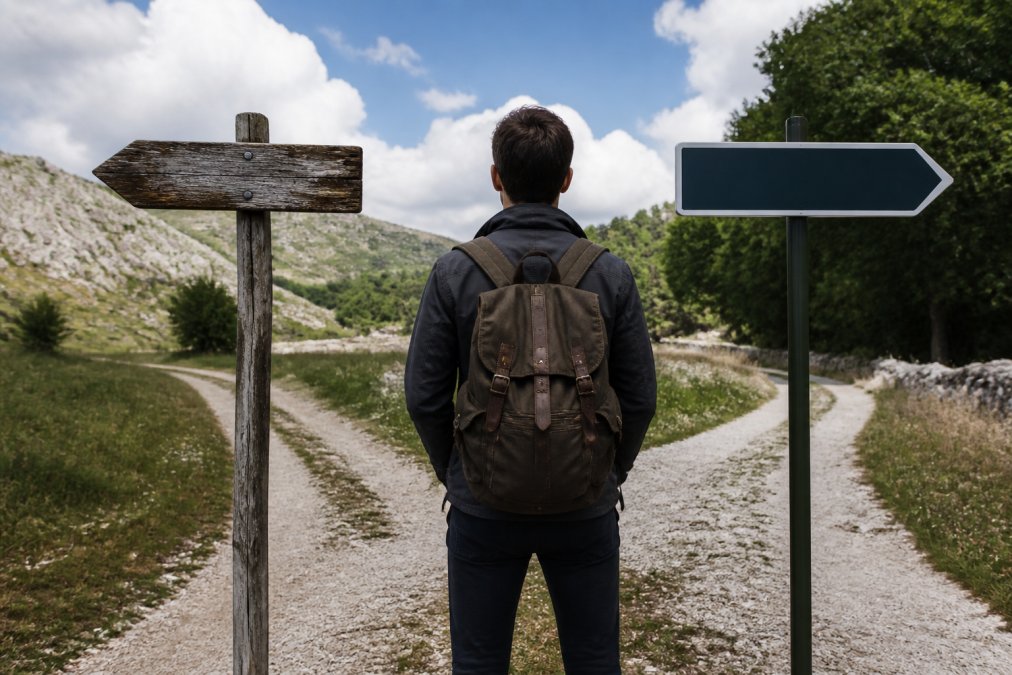
A name is not a passive label; it is a cognitive anchor. Place names shape our mental maps, influencing our sense of belonging and our willingness to advocate for a location. A place called "Freedom Point" evokes a different emotional response than one named after a colonial general, even if the landscape is identical. This is a mechanism of toponymic attachment, where the name becomes intertwined with personal and collective memory.
The debate over "Denali" versus "Mount McKinley" was not an abstract historical argument; it was a psychological one. For Alaska Native communities, "Denali" carries centuries of cultural significance and spiritual connection; for others, "McKinley" represented allegiance to a slain president. When the name was restored to Denali in 2015, it was a psychological victory for one group and a perceived loss for another (doi.gov).
When a name is stripped of its original context, we lose the cultural memory embedded within it. A resident driving past a site named after a contested figure may not consciously register the history, but the name subtly reinforces a worldview. This is why renaming movements are so emotionally charged; they are about the psychological safety and identity of the people who live there.
Successful renaming efforts often acknowledge this psychological impact. The push to rename Mount Rainier to its Lushootseed name, "Tacoma," is driven by a desire to heal the wounds of erasure (washington.edu). Proponents argue the original name fosters a more inclusive identity by acknowledging the full history of the place. Resistance often stems from attachment to the familiar name as a stable anchor.
The name on a map is a psychological prompt that tells us what to think about the land beneath our feet. Understanding this mechanism reveals why renaming arguments are so deeply felt and why they matter for community well-being.
Digital Maps Are Rewriting the Arguments
The rise of digital cartography has altered how we engage with place names. Unlike printed maps, digital maps can be changed instantly based on political shifts or user feedback. Platforms like Google Maps, Apple Maps, and OpenStreetMap have become new battlegrounds for toponymic change.
When a name changes, the impact is not just cultural; it is economic. A name is data infrastructure supporting global commerce, navigation, and logistics. The cost involves software engineering, data verification, and potential legal challenges, a factor often overlooked in historical discussions of toponymy.
Digital mapping also creates space for alternative narratives but introduces new power dynamics. While an official map might show a colonial name, platforms allow communities to tag locations with indigenous or historical names, creating a parallel cartography. However, the companies controlling these platforms, Google, Apple, Meta, hold immense power over which names are displayed. Their algorithms and editorial policies can amplify or suppress narratives, making them de facto arbiters of toponymic change.
A place name is a key component of a location's brand identity. When a name changes, it can affect property values, tourism, and local business marketing. The debate over restoring indigenous names in the Pacific Northwest is also about attracting tourists seeking authentic experiences. Conversely, a controversial name can become a liability. The cost of rebranding, updating signage, and changing digital records is a significant barrier to renaming.
Digital maps are active participants in the naming process. They make a name change instantly visible to millions but also create a new layer of infrastructure to manage. Arguments over naming are now about data, economics, and the power of platforms that control our digital view of the world.
Preservation of Historical Landmarks Starts With Their Names
Preservation of historical landmarks is fundamentally about protecting their names. The name is the first piece of history we encounter, and losing it can sever the connection between the landmark and its story. Without its original name, a landmark risks becoming just another anonymous site.
Preserving these names requires active effort and archival research. It involves challenging altered official records and amplifying oral traditions that have carried original names through generations. This work is often led by historians, indigenous groups, and community activists.
When we advocate for the preservation of a name, we push back against cultural amnesia and political convenience. This is why the work of groups like Correct Geography resonates; wearing a shirt with a historically accurate name is a small act of preservation that keeps the conversation going in public spaces.
What You Can Do: Wear the History You Believe In
Engaging with place name history does not require a degree in etymology or cartography. One of the most direct ways to participate is through what you wear. Apparel has long been a medium for political activism, and geographic names offer a unique canvas for that expression.
Wearing a shirt that displays the original name of a mountain or body of water is a statement of historical accuracy. It signals that you value the cultural landscape over the latest political edict. For those who feel recent renaming efforts are more about political posturing than historical merit, this offers a way to voice opposition without saying a word.
Our Corrected Names Tee is designed for exactly this purpose. It features the Gulf of Mexico, Kennedy Center, and Lake Ontario with the necessary corrections highlighted in red, serving as a short remedial geography lesson printed directly on your chest. For mountain lovers, the Denali - The Great One Tee celebrates the name given by Alaska Native people, and the Gulf of Mexico - Since 1552 Tee honors nearly five centuries of a perfectly serviceable name. Each shirt is printed on soft, ring-spun cotton and sells for $25.00.

Conclusion: The Map Is Never Neutral
Place name history matters because it teaches us that the map is never neutral. It is a palimpsest of conquest, culture, and resistance, written and rewritten by those who held power. Understanding this history allows us to question the names we are told to use.
The challenge is to remain aware of the stories behind names, especially when political forces attempt to rewrite them for short-term gain. By choosing to use and display original names, you participate in historical preservation that resists cultural erasure. Correct Geography supports this effort by creating apparel that sparks conversation. Get started with Correct Geography and wear the history you believe in.
Frequently Asked Questions
What was America called before 1776?
Before 1776, the land was referred to by many names. Indigenous peoples had their own names for their territories, such as Turtle Island among some Algonquian-speaking tribes. European maps often labeled the region as the New World or the Colonies. The name America itself came from cartographer Martin Waldseemuller, who used it in 1507 to honor explorer Amerigo Vespucci. Understanding this history shows how place name history reflects who had the power to name, and who was erased in the process.
How do place names reflect historical power dynamics?
Place names are often a record of conquest. When a colonizing power arrives, renaming landmarks asserts control and erases prior claims. This is visible in the shift from indigenous names like Denali to McKinley, a name honoring a president who never visited the mountain. The act of naming is a claim of ownership, and the persistence of those names reflects which histories a society chooses to honor. Recognizing this dynamic helps explain why geographic names are being changed today.
Why are geographic names being changed in modern discourse?
Modern renaming movements are driven by a push for historical accuracy and social justice. Communities are questioning names that honor figures with harmful legacies or that erase indigenous history. The push to restore Denali and keep the Gulf of Mexico's traditional name are examples of this. These efforts are not about rewriting history, but correcting it. They represent a shift in who gets to tell the story of a place, moving away from colonial narratives toward a more inclusive record.
What is the role of the U.S. Board on Geographic Names?
The U.S. Board on Geographic Names is the federal body responsible for standardizing geographic names for official federal use. Created in 1890, it was established to resolve naming disputes and ensure consistency across maps and documents. While it does not restrict public use of names, its decisions carry significant weight in government publications, signage, and databases. Its role shows that place name history is not just academic; it is a matter of official policy with real-world consequences.