
Table of Contents
- What Makes a Historical Shirt Authentic?
- How to Identify Quality Historical Reproductions
- Where to Buy Historical Map Shirts Online
- Historically Accurate Clothing for Reenactment: What to Look For
- Sizing and Fit for Period Clothing
- Budget vs. Museum-Quality Tiers
- Maintenance and Care for Historical Shirts
- Frequently Asked Questions
Last Updated: September 17, 2026
What Makes a Historical Shirt Authentic?
Authentic historical shirts are garments reproduced from documented evidence, period paintings, extant museum pieces, or surviving tailor's patterns, using materials and construction methods that match the original era. At Correct Geography, we care about accuracy down to the place names printed on a shirt, so the same standard applies here: authenticity is verifiable, not just claimed.
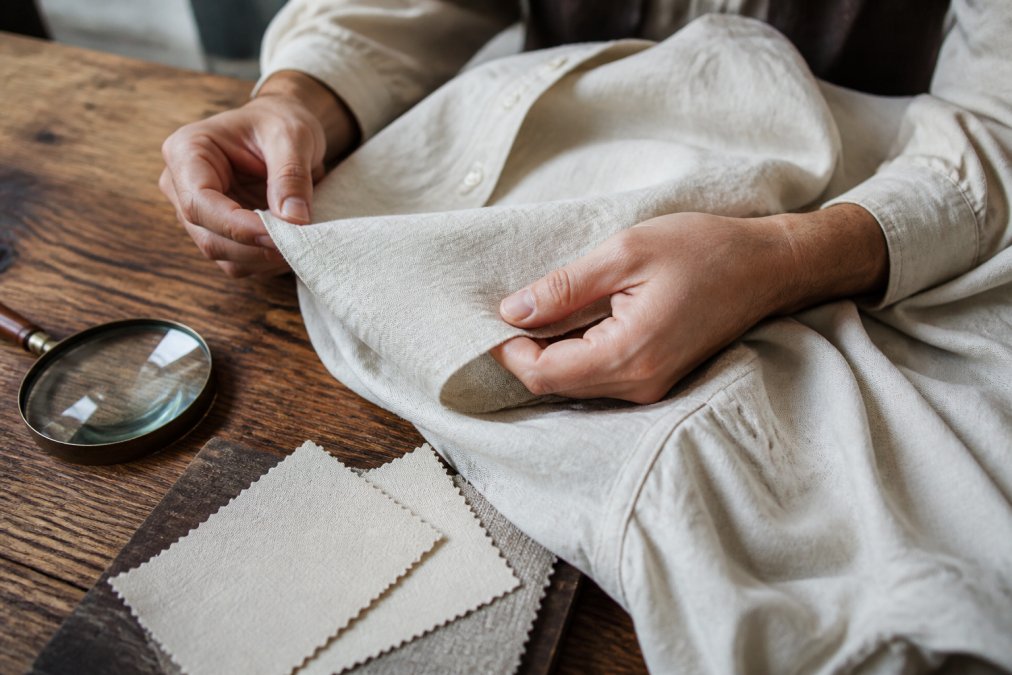
The search for where to find authentic historical shirts usually starts with a frustrating discovery. Two shirts can look nearly identical in a product photo while sitting at opposite ends of the authenticity spectrum. One is a costume. The other is a reproduction.
Here's the part most guides skip: authenticity isn't a single checkbox. It's a chain of decisions, from fiber to stitch, and any weak link breaks the whole garment.
Fabric and Fiber: The First Test
Natural fibers are the foundation of any accurate reproduction. Linen, wool, and cotton were the working fabrics of the 18th and 19th centuries, and a shirt made from a polyester blend undercuts everything else the maker got right.
Construction Details That Separate Real From Replica
Look at the seams, the buttons, and the finish inside the garment. Hand-finished buttonholes, flat-felled seams, and period-correct closures signal a maker who studied garment construction rather than a costume factory.
How to Identify Quality Historical Reproductions
Quality historical reproductions show documented sourcing, period-correct materials, and construction methods that match the era being reproduced. The problem is that most listings use the same vocabulary, "authentic," "period-correct," "historically inspired", without defining any of it. The way to cut through that is to test the garment against a short list of physical and documentary checks before you spend money.
The Fiber Test
Start with the fiber content, not the product title. "Linen-look" and "linen" are different claims, and a polyester blend undercuts everything else the maker got right. Natural fibers, linen, wool, and cotton, were the working fabrics of the 18th and 19th centuries, and they behave differently from synthetics in ways you can verify:
- Burn test (on a loose thread or swatch): Linen and cotton smell like burning paper and leave soft gray ash. Wool smells like burning hair and crumbles. Polyester melts into a hard bead and smells chemical. Never burn a finished garment you intend to keep, ask the seller for a swatch.
- Weave check: Period shirts were typically woven on narrow looms, so you'll often see a visible selvedge or a seam where panels were joined. A single wide bolt of fabric with no joins is a modern shortcut.
- Weight and drape: Linen has a crisp hand that softens with washing; wool has a slight scratch and springs back when crushed. If the fabric feels slick or springs back like athletic wear, it's a blend.
The Construction Checklist
Look at the seams, the buttons, and the finish inside the garment. Hand-finished buttonholes, flat-felled seams, and period-correct closures signal a maker who studied garment construction rather than a costume factory. Machine serging along every edge is the giveaway, it's fast, it's cheap, and it never appeared in historical tailoring.
Specific things to inspect:
- Seam finish: Flat-felled or French seams on visible edges. Overlocked (serged) edges are a modern tell.
- Buttonholes: Hand-worked buttonholes have slight irregularity and a raised lip; machine buttonholes are uniform and flat.
- Closures: Buttons of bone, horn, wood, or cloth-covered forms, not plastic. Laces and ties should be period-appropriate cord or tape, not elastic.
- Interior finish: Turn the shirt inside out. If the inside hem is as carefully finished as the outside, the maker is working from a real pattern.
The Documentation Test
- Documentation: Does the listing name the source pattern, painting, or museum piece?
- Materials: Is the fiber content stated plainly, with no vague blends?
- Construction: Are seams, closures, and finishes described in specific terms?
- Consistency: Do the photos match the written spec?
Where to Buy Historical Map Shirts Online
You can buy historical map shirts online from specialist reproduction houses, living history suppliers, and independent makers who publish their pattern sources. The best starting point is a maker who tells you exactly which historical documents or patterns they worked from.
The Three Tiers, and What Each One Actually Gets You
When comparing vendors, sort them into three rough tiers. The tier you choose should match how the shirt will be used, not how much you like the look in a photo.
| Vendor Type | Typical Strength | Watch For |
|---|---|---|
| Specialist reproduction houses | Documented patterns, period materials, hand-finished details | Higher cost, longer lead times, limited size runs |
| Living history suppliers | Reenactor-tested gear, event-ready construction | Mixed accuracy across catalog, one shirt may be excellent, the next may be costume-grade |
| Independent makers | Hand-crafted, small batch, direct communication with the maker | Limited sizing, slow restocks, variable documentation |
Budget vs. Museum-Quality: A Decision Framework
Budget historical shirts and museum-quality reproductions differ mainly in materials, construction time, and documentation. Budget options use simpler finishes and often substitute blended fabrics. Museum-quality pieces use documented patterns, natural fibers, and hand-finished details.
- Casual wear or a themed party: A budget shirt in a natural-fiber blend is fine. You are not being inspected.
- First reenactment or living history event: Step up to a reproduction house or a vetted living history supplier. Experienced participants will look at your seams.
- Museum work, film, or documented interpretation: Museum-quality construction with named pattern sources. This is where hand-finished buttonholes and documented provenance stop being luxuries and start being requirements.
How to Vet a Vendor Before You Buy
- Ask for the pattern source. A serious maker can name the painting, extant garment, or tailor's pattern the shirt is based on.
- Ask for fiber content in writing. "Linen-cotton blend" is not the same as "100% linen," and the difference shows up in how the shirt ages.
- Ask for interior photos. The inside hem tells you more about construction quality than any styled product shot.
- Check the size chart against your measurements, not your usual letter size. Reproduction houses often run on their own scale.
Living history and reenactment event standards
Historically Accurate Clothing for Reenactment: What to Look For
Historically accurate clothing for reenactment must survive close inspection from other reenactors, which is a stricter test than any product photo. Event organizers and experienced participants often check fabric, closures, and visible stitching up close.
Prioritize these features:
- Natural fibers only. Linen and wool breathe and photograph correctly.
- Period closures. Buttons, laces, and ties that match the era.
- Correct silhouette. Cut matters as much as fabric.
- Provenance. A stated pattern or source.
Sizing and Fit for Period Clothing
Period clothing fits differently from modern garments, and that catches people off guard. Historical shirts were cut loose and long, worn tucked or gathered, not fitted to the body the way a modern tee is.
Budget vs. Museum-Quality Tiers
Budget historical shirts and museum-quality reproductions differ mainly in materials, construction time, and documentation. Budget options use simpler finishes and often substitute blended fabrics. Museum-quality pieces use documented patterns, natural fibers, and hand-finished details.
Maintenance and Care for Historical Shirts
Natural-fiber historical shirts last longer when you wash them gently and dry them flat. Linen and wool tolerate fewer harsh cycles than synthetic blends, so treat them accordingly.
- Wash in cold water on a gentle cycle, or by hand.
- Skip the dryer. Lay flat or hang to dry.
- Store folded, away from direct sunlight.
- Repair loose buttons and seams early.
Frequently Asked Questions
What defines an authentic historical shirt?
An authentic historical shirt uses period-correct materials like linen or wool, hand-finished seams, and patterns based on surviving garments or historical documents. Look for natural fibers, accurate button placement, and construction methods that match the era. Reputable makers cite their sources, whether museum pieces or historical research, so you can verify the details yourself before buying.
Where can I buy historically accurate clothing for reenactments?
Specialty vendors that focus on living history and reenactment gear are your best bet. These shops often hand-craft garments using historical patterns and natural fibers. Check online marketplaces that cater to reenactors, and look for makers who publish their research sources. Avoid mass-produced costume shops that prioritize looks over accuracy, as they often use synthetic fabrics and modern stitching.
How do I verify the historical accuracy of a reproduction shirt?
Start by checking the fabric content. Period shirts were typically linen, wool, or cotton, not polyester blends. Examine construction details like flat-felled seams, hand-stitched buttonholes, and period-appropriate buttons. Ask the vendor for their source material, such as museum catalogs or historical documents. Cross-reference with academic resources or reenactment groups who can vouch for the maker's reputation.
Is it better to buy custom-made or off-the-rack historical shirts?
Custom-made shirts offer a precise fit and let you specify fabric, buttons, and stitching details, which matters for serious reenactors. Off-the-rack options are more affordable and faster to get, but may need alterations for proper fit. If you are starting out, off-the-rack from a reputable maker is fine. For a museum-quality piece or a specific impression, custom is worth the investment.
The hardest part of buying historical clothing is separating genuine reproductions from convincing costumes, and the difference comes down to materials, construction, and documented sourcing. Correct Geography builds shirts around that same principle, printing place names in their original forms so the historical accuracy runs from the fabric to the geography on the chest. Explore the collection and wear history the way it was actually written.